Southern Restaurant Dining Trends to Watch This Year
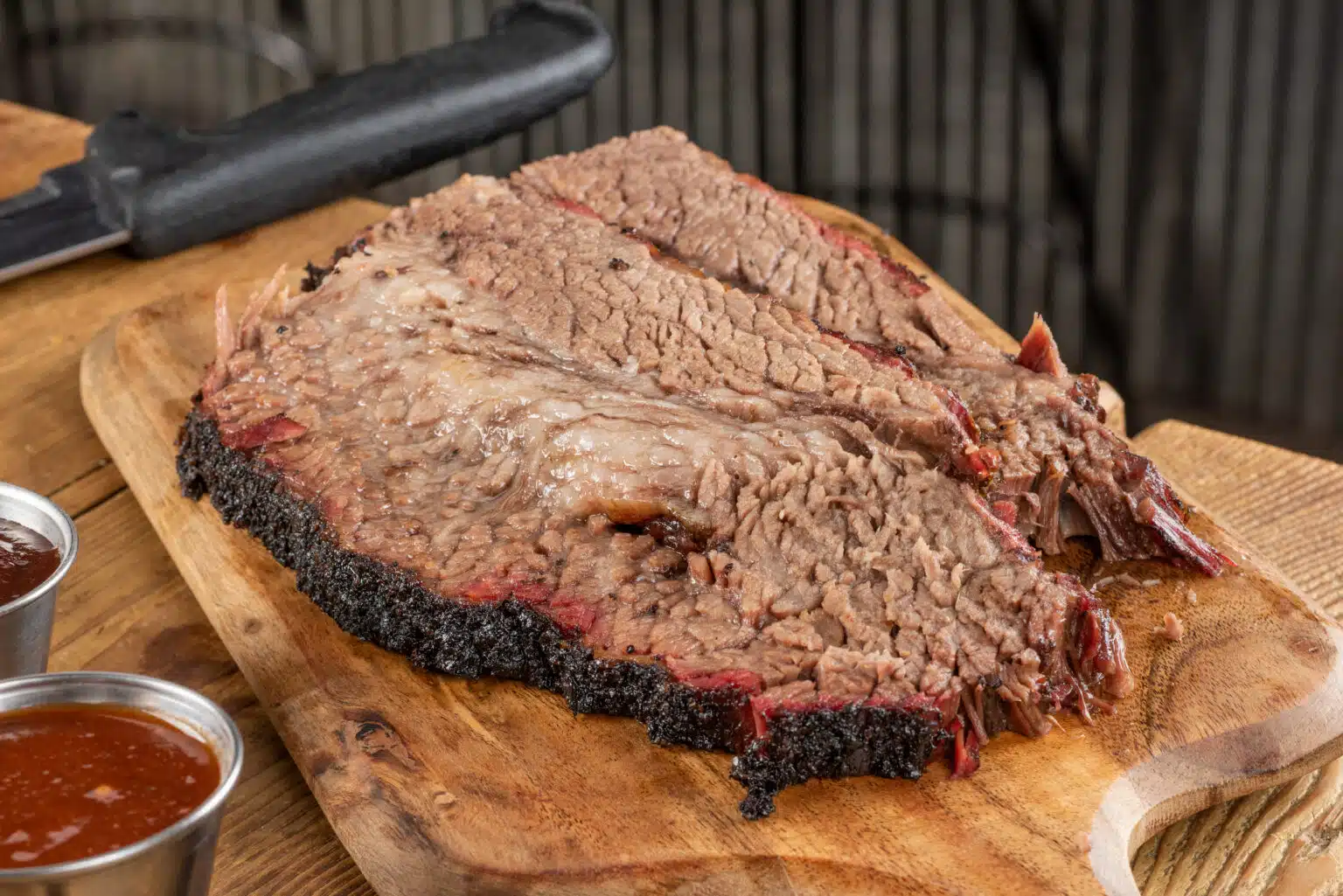
Southern dining has always carried more weight than a plate alone. People come in for the food, but they stay for the pace, the welcome, the memory attached to a biscuit basket or a skillet of cornbread. That is part of the reason trend watching in this segment matters. A Southern restaurant cannot chase every idea passing through social media and expect regulars to follow. It has to read the room, protect the soul of the place, and still make practical updates that keep seats filled on a Tuesday night.
This year, the strongest shifts are not flashy. They are operational, cultural, and deeply tied to guest expectations that have changed over the past few years. Diners still want comfort, but they also want sharper execution, more thoughtful sourcing, better value, and spaces that feel worth leaving home for. Operators who understand that balance are the ones gaining ground.
The new definition of comfort food
Comfort used to mean abundance alone. Guests expected generous portions, rich gravies, fried proteins, butter-heavy sides, and desserts that looked built for celebration. That appetite has not disappeared, but it has matured. Diners still order shrimp and grits, chicken and waffles, pimento cheese, and banana pudding. What has changed is the way they judge quality.
Now, comfort has to feel intentional. The grits need texture and flavor, not just cream. The fried chicken needs a crust with real seasoning and a brine that reaches the bone. Greens need brightness, whether from pepper vinegar, smoked turkey, or a hit of acidity added right before service. People notice those details more than they did a decade ago, and they are willing to pay for them if the result feels honest.
I have seen this shift play out in dining rooms that once relied on sheer portion size. A plate crowded with mac and cheese, mashed potatoes, two biscuits, and a large fried pork chop used to be enough to win the table. These days, guests often prefer one excellent protein, two focused sides, and a story behind the ingredients. Not every diner says it that way, but the behavior is clear. They reward precision over excess.
That creates an interesting opportunity for the Southern restaurant that wants to modernize without alienating loyal customers. You do not need to strip away richness. You need to refine it. A cast iron-seared catfish with smoked tomato broth can still feel Southern. So can a roasted half chicken with sorghum glaze and charred cabbage. The common thread is that diners want food that respects tradition while showing the kitchen is awake.
Regional specificity is finally getting the attention it deserves
For years, many menus flattened Southern cuisine into a single broad category. There might be biscuits, fried green tomatoes, pulled pork, and gumbo on the same menu, with little thought to whether those dishes belonged together. Guests are more informed now. Travel, cooking shows, family storytelling, and social media have made people more aware of regional differences.
That means the restaurants standing out this year are often the ones choosing a clearer point of view. Lowcountry is not Appalachia. The Mississippi Delta is not coastal North Carolina. Texas smoke traditions do not read the same as a meat-and-three in Tennessee. When a menu reflects a real place, diners feel it.
This matters for more than branding. It sharpens operations. A restaurant that leans into South Carolina rice culture can build a coherent pantry around benne, field peas, Carolina Gold rice, and seafood. A place inspired by Louisiana can develop deep skill in stocks, roux, and layered seasoning instead of trying to be all things to all guests. Focus tends to improve flavor, food cost control, and guest trust at the same time.
Regional specificity also creates room for conversation with the staff. Servers who can explain why a certain sausage is made in-house, why a chow chow recipe tastes sharper than the guest expects, or why the kitchen uses white barbecue sauce with smoked chicken give the meal dimension. That kind of dining experience is increasingly valuable because it feels difficult to replicate at home.
The vegetable plate has moved to the center
One of the most significant shifts in Southern dining is the rise of the vegetable-focused order, not as an afterthought but as a primary choice. This is not a temporary wellness fad. It is a response to changing habits, food costs, and a broader understanding of how rich Southern produce traditions already are.
A strong vegetable plate in a Southern restaurant can be one of the most satisfying things on the menu. Braised butter beans, blistered okra, stewed tomatoes, roasted sweet potatoes with cane syrup, marinated cucumbers, field peas, collards, squash casserole, and skillet cornbread can easily build a full meal if each element is prepared with care. Diners are no longer embarrassed to order that way, and many actively seek it out.
The edge case, of course, is that guests can tell when a restaurant treats vegetables as an obligatory checkbox. A bland plate of steamed carrots and underseasoned green beans will not move. What works is depth of flavor and a clear sense of season. A summer plate should not look like a winter plate with the protein removed. Southern cuisine has always had a farm table logic to it, even before that phrase became fashionable. Restaurants reconnecting with that logic are benefiting.
This trend also helps operators manage margins. Meat prices remain volatile, and seafood can swing sharply by region and weather. Thoughtfully built vegetable offerings can protect profitability, especially when portions are calibrated well and prep systems are disciplined. The caveat is labor. Vegetable cookery often demands more handwork than people assume. Shelling peas, trimming greens, roasting root vegetables, and handling daily market produce require time and skill. The restaurants doing it well are planning prep like a serious craft, not a side job.
Brunch is still important, but it is getting tighter and smarter
Brunch remains a major revenue engine, especially in urban and suburban markets where guests view it as both a social event and a value decision. But the all-day scramble of oversized menus, bottomless drink promotions, and kitchen chaos is giving way to a more disciplined approach.
The strongest Southern brunch programs this year are smaller, sharper, and easier to execute. They often center on familiar anchors such as biscuits with sausage gravy, shrimp and grits, chicken biscuits, French toast, and eggs with griddled country ham, but they reduce the total number of offerings. That restraint matters. A 10-item brunch menu executed beautifully will outperform a 24-item menu that clogs the line and produces inconsistent plates.
Drink strategy is changing too. Guests still order mimosas and Bloody Marys, but they are also responding well to lower-alcohol cocktails, seasonal spritzes, and coffee programs that feel like someone actually cared. A brunch service with mediocre coffee and sugary cocktails feels dated fast. Better tea selections, cold brew, chicory coffee variations, and house-made syrups are becoming meaningful differentiators.
There is also a growing awareness that brunch crowds are not all the same. Some are there for celebration, some for family convenience, and some simply because weekend lunch feels more relaxed than dinner. Operators that design service around those differences, with a few shareable dishes, some efficient individual plates, and realistic table-turn timing, tend to run a healthier shift.
Hospitality is becoming more visible again
For a stretch, many restaurants leaned heavily on convenience, digital ordering, and stripped-down service models. Some of that was necessary. Some of it remained because it lowered labor pressure. This year, diners are showing a renewed appetite for being taken care of in person, especially in full-service settings.
That is a major advantage for the Southern restaurant, because warmth has always been part of the category’s identity. Not forced friendliness, not scripted check-ins, but the real craft of making guests feel known. Remembering that one table likes extra hot sauce, pacing courses so grandma is not rushed, offering to split a cobbler before being asked, these gestures matter. They create value beyond the food itself.
The challenge is that hospitality cannot be separated from staffing. Restaurants need enough trained people on the floor to notice what guests need before they ask. That is difficult in a labor market where turnover remains costly. The operators handling this best are simplifying systems behind the scenes so the staff can be more present in the dining room. They are trimming unnecessary steps, tightening menus, investing in training, and writing service standards that sound like humans rather than manuals.
There is another subtle shift here. Diners increasingly want competence without performance. Theatrical tableside moments can work in the right concept, but many guests now prefer a server who is knowledgeable, efficient, and relaxed over one delivering a memorized speech. In practical terms, that means fewer overexplained specials and more useful guidance. If the fried oysters are small that day, say so. If the kitchen tends to run 20 minutes on cast iron cornbread, tell the table early. Honest service builds loyalty.
Pricing pressure is changing menu design
There is no way to discuss this year without addressing menu prices. Guests know dining out costs more. They have seen grocery bills rise, they understand labor is expensive, and most are not shocked by a higher check average. What bothers them is confusion. If a plate lands at $28, they want it to feel complete and justified.
That is pushing Southern restaurants to rethink how they present value. Some are bundling sides more clearly. Some are offering smaller composed plates alongside full entrees. Others are reworking premium items so there is a visible reason for the price, whether through better sourcing, stronger plating, or a more substantial portion.
A common mistake is raising prices without editing the menu around the new reality. I still see menus where the appetizer section reads like a bargain board, the entree section jumps suddenly, and guests hesitate because nothing guides them through the spend. Smart operators are engineering the menu so a table can choose from a few different price paths and still feel satisfied. That might mean a weekday blue plate special, a shareable biscuit service, or a compact dessert menu that encourages one more order without making guests feel trapped into it.
There is also growing interest in half portions and add-ons done properly. A guest may not want a full fried chicken dinner at lunch, but they may gladly order two pieces with one side and a tea. That flexibility widens the customer base. The key is operational clarity. If half portions create kitchen confusion or visual inconsistency, they stop being helpful.
Beverage programs are getting more Southern, and more local
A strong beverage program used to mean a decent bourbon list and a few sweet cocktails. That is no longer enough, especially in markets where diners have plenty of options. What stands out now is a beverage identity that actually belongs to the food.
In Southern dining, that can take several forms. Some restaurants are leaning into regional spirits, not just bourbon but Tennessee whiskey, agricole-style rum from Gulf producers, fruit liqueurs, and small-batch vodkas. Others are revisiting traditional flavors such as sorghum, peach, muscadine, blackberry, mint, cane syrup, chicory, and tea. When those ingredients show up with restraint and balance, they feel rooted rather than gimmicky.
Nonalcoholic choices are improving too. That matters more than many operators realize. A table where two guests are drinking and two are not still wants a shared sense of occasion. House lemonades, shrub-based coolers, zero-proof julep riffs, and sparkling tea drinks can raise both guest satisfaction and check average.
Wine is also getting a fresh look. Southern food can be challenging to pair because of salt, smoke, fat, sweetness, and spice, often on the same plate. The best lists are not necessarily large. They are edited. Crisp sparkling wines, off-dry whites, high-acid reds, rosé with texture, and a few versatile domestic bottles tend to move better than a cellar-style book no one wants to decode during brunch.
Dining rooms are being designed for mood, not just volume
A few years ago, many restaurants prioritized throughput above all else. Add more seats, reduce dwell time, keep the line moving. That mentality made sense in certain contexts, but it often stripped dining rooms of charm. This year, ambiance is back in a serious way.
In Southern concepts especially, guests expect a sense of place. They do not need nostalgia staged like a movie set, but they do want warmth. Lighting matters. Acoustics matter. Chair comfort matters more than owners think. If people are ordering another round of drinks or staying for dessert, the room has done part of the work.
I have noticed a clear move away from generic farmhouse design and toward more specific visual storytelling. That might mean old pine floors, regional artwork, pressed tin, porch-inspired seating areas, historic photos used sparingly, or open shelving that displays pantry staples instead of decorative clutter. The best spaces feel lived in without becoming messy.
Outdoor dining remains valuable, but expectations have risen. A few metal tables on bare concrete no longer count as a finished patio. Guests want Southern restaurant Walter's BBQ Southern Kitchen shade, fans where climate demands it, attractive lighting, and furniture that supports a real meal rather than a quick drink. For many Southern markets, that is an obvious revenue opportunity because shoulder seasons can be long and profitable. Still, weather risk is real, and operators have to assess whether the investment can be supported by enough usable months.
The takeout question is finally settling into reality
Off-premise dining is no longer treated as either a temporary fix or the future of everything. Most restaurants now understand it as one channel among several, with its own strengths and limits. Southern food happens to travel unevenly. Braises, casseroles, and smoked meats often hold well. Fried foods, biscuits, and plated seafood can lose their edge quickly.
The better operators are designing around that truth instead of pretending every menu item belongs in a delivery bag. Some are building a parallel takeout menu with dishes chosen for durability. Others are investing in packaging that protects texture and temperature, though that carries cost. A smart Southern restaurant may decide that its fried chicken is dine-in only after a certain distance, while family-style baked dishes, sandwiches, and quart sides remain available all day.
Family meals continue to perform well in many markets, especially for weeknights. There is something naturally compatible between Southern food and communal takeout formats. A tray of roasted chicken, green beans, mac and cheese, biscuits, and peach cobbler serves a practical need while still feeling generous. The trend this year is that guests want these meals to feel slightly better than grocery prepared food, not merely cheaper than dining in.
Storytelling matters, but sincerity matters more
Restaurants are under pressure to communicate constantly. Menus tell stories. Servers tell stories. Social channels tell stories. Some of that is useful. Guests do care where ingredients come from, who made the hot sauce, why the biscuits are different, and what makes the smoked sausage local. But people can sense manufactured storytelling quickly.
The restaurants connecting best this year are the ones with a real point of view and enough restraint to let it breathe. If your family has roots in the Piedmont and your menu reflects that, say so. If your pastry chef uses a church cookbook as the starting point for a chess pie, that is worth sharing. If your pickled vegetables come from a long-standing farm partnership 30 miles away, great. What falls flat is overnarration, especially when the experience on the plate does not support it.
A Southern restaurant has an advantage here because the cuisine already carries memory, migration, community, and craft. The story is often present if the team pays attention. Diners do not need a speech. They need enough context to care, followed by food and service strong enough to confirm it.
What operators should keep an eye on for the rest of the year
A few practical signals will help separate short-term noise from durable change. Watch whether your guests are ordering appetizers to share or skipping straight to entrees. That says a lot about perceived value and table confidence. Track which sides are driving repeat orders. In many Southern restaurants, side dishes are not secondary, they are brand builders. Pay attention to how often guests ask for substitutions around portion size, spice level, or lighter preparations. Those requests reveal more than a survey card ever will.
Just as important, spend time in the dining room. Trend reports can point in the right direction, but they cannot replace firsthand observation. Listen to where the room gets quiet because everyone is eating, and where it gets tense because people are waiting too long or struggling to choose. The future of Southern dining will not be decided by novelty alone. It will be shaped by restaurants that know which traditions to preserve, which habits to retire, and how to make hospitality feel generous under modern conditions.
That is the real pattern worth watching this year. Southern restaurants are not abandoning their roots. The strongest ones are trimming the excess, sharpening the identity, and giving guests an experience that feels both familiar and newly worth seeking out. In a crowded market, that combination travels further than trend-chasing ever does.
Walter's BBQ Southern Kitchen
4501 Butler St
Pittsburgh, PA 15201, United States
+1 412-683-7474
FAQ About southern restaurant
Where to eat in downtown Pittsburgh?
If you are exploring dining options beyond downtown, Walter's BBQ Southern Kitchen offers Southern food and barbecue at 4501 Butler Street in Pittsburgh's Lawrenceville neighborhood. It is outside downtown, so allow travel time when planning your visit.
What is a must eat in Pittsburgh?
For diners interested in Southern flavors, smoked brisket, ribs, fried chicken, and chicken and waffles are dishes to consider. Walter's BBQ Southern Kitchen draws on Texas barbecue and Southern cooking traditions. Check the current menu for the dishes available during your visit.
What are some of Pittsburgh's unique restaurants?
Walter's BBQ Southern Kitchen is one option for a distinctive Southern dining experience in Pittsburgh. Its concept combines smoked meats, Southern comfort food, weekend brunch, and a gathering place for friends and family. The restaurant is located on Butler Street in Lawrenceville.